Professional WordPress development: what you are really paying for
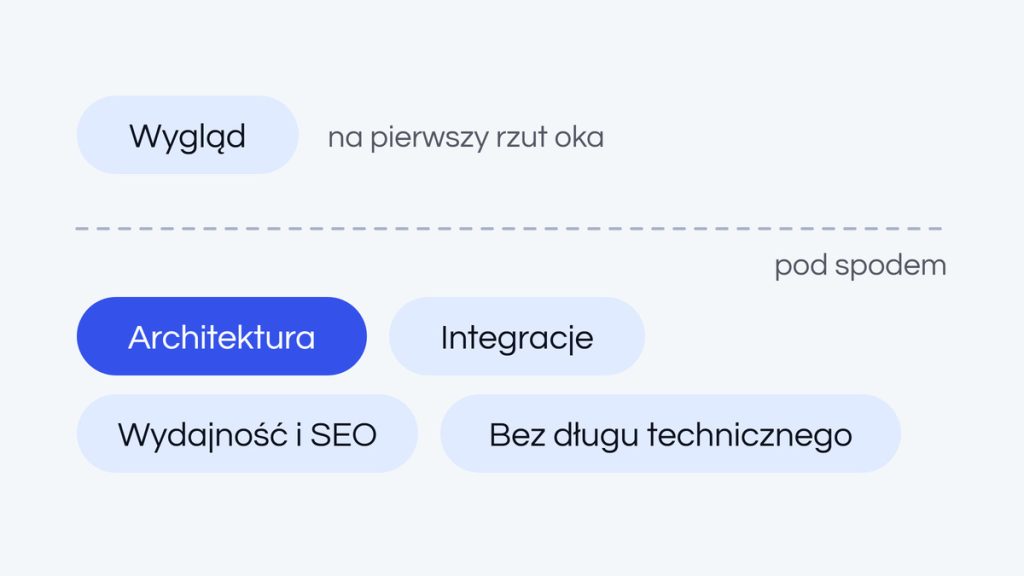
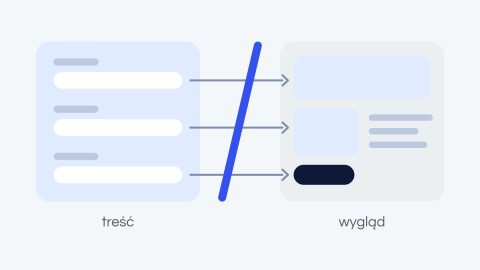
You can set up WordPress in an hour. You can also spend weeks building it. Not because someone is dragging their feet, but because the difference between “a site that exists” and “a site that works for you” lies in things you can’t see at first glance. The client usually looks at the design. A professional looks at what happens under the hood, because that is where it is decided whether the site will survive contact with real traffic.
If you have ever wondered why quotes for what looks like the same website can differ several times over, this article breaks it down. We show what really goes into a proper implementation and why these elements determine maintenance costs for years to come.
Setup that doesn’t leave you on your own
A professional implementation is more than clicking “install.” It means configuring analytics, GDPR-compliant user consent, marketing tools, anti-spam protection and regular backups. All of these are usually invisible to the visitor, but they decide whether, after launch, the site is a finished product or a to-do list for you to complete yourself.
You feel the difference from day one. Instead of hunting for yet another tutorial and wiring up ten services yourself, you get a site that simply works and measures what it should. Your time goes back to the business, not to the admin dashboard.
Architecture instead of a random template
A good implementation starts with decisions you can’t see on a mockup: how to organize the content, how it will grow, what not to force into off-the-shelf plugins. This is where experience really saves money, because it helps you avoid solutions you would have to work around or rewrite a year later.
A theme chosen “because it looks nice” can later cost more than the whole project. When it turns out it doesn’t support a feature you suddenly need, you start fighting the tool instead of calmly extending the site. Architecture that is thought through at the start makes every later change a matter of adding bricks, not tearing down walls.
Integrations that just work
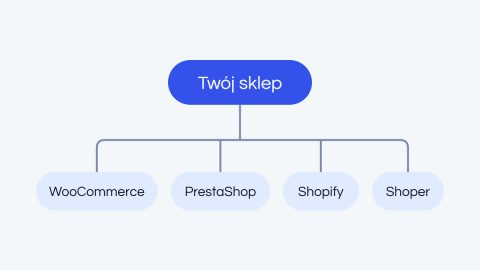
Payments, shipping carriers, email marketing, ERP, PIM or CRM systems: the more tools your business runs on, the more important it is that they talk to each other consistently, not as several separate plugins barely glued together. Integrations are the most common place where cheap implementations start to fail, because each one works on its own, but together they create chaos.
A well-designed integration layer eliminates manual, repetitive work: data flows between systems automatically, with no retyping of orders or stock levels. This is often the element that pays back the cost of the whole project fastest, because you get back the hours that used to disappear into Excel.
Performance and SEO from the ground up
Loading speed today is not a matter of comfort but a real factor that affects search rankings and conversion. Image optimization, clean code, sensible caching and a proper SEO structure should be standard in every implementation, not a paid add-on upsold later.
This relationship is easiest to sum up in one sentence: a beautiful store that doesn’t load doesn’t sell. You can invest in great design and expensive photos, but if the page opens too slowly, a large share of visitors will leave before they even see it.
No technical debt
The most expensive sites to maintain are those built “for now,” without thinking about what comes a year later. This kind of technical debt usually doesn’t hurt at the start, but over time every change gets harder and more expensive, until it becomes simpler to rebuild everything from scratch.
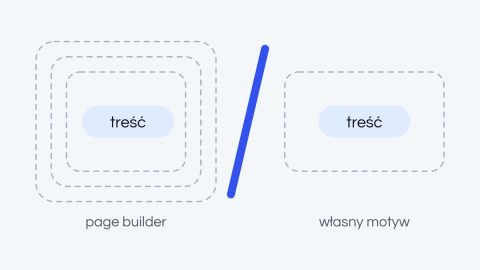
A professional approach assumes the opposite: the code we leave behind has to be maintainable, including by someone else. No magic plugins that nobody understands later, and no visual builders in the critical layer. It is an investment in peace of mind that you don’t see in a demo but appreciate at the first serious change.
When DIY is enough and when it isn’t
Not every site needs a professional implementation, and it would be dishonest to claim otherwise. You can easily build a simple blog or brochure site yourself and learn WordPress along the way. The line is drawn where a store, integrations, real traffic, a migration or security requirements come in.
In those cases, the time, risk and cost of mistakes quickly exceed the price of a good implementation. Professional development is not money spent on making things “prettier.” It is an investment in a site that works for your business instead of creating more problems to solve.
Have a project that simply has to work? Request a free quote or write to us, and we will tell you straight what your project really needs.