
Custom modules, plugins and web apps
We build what you can’t buy off the shelf: configurators, marketplaces and portals, internal apps, modules and integrations.
What we build to order.
Sometimes no off-the-shelf system (CMS, ERP, no-code) fits the client’s process. Then we write a dedicated application: a panel, an automation or an internal tool, designed for a specific problem.
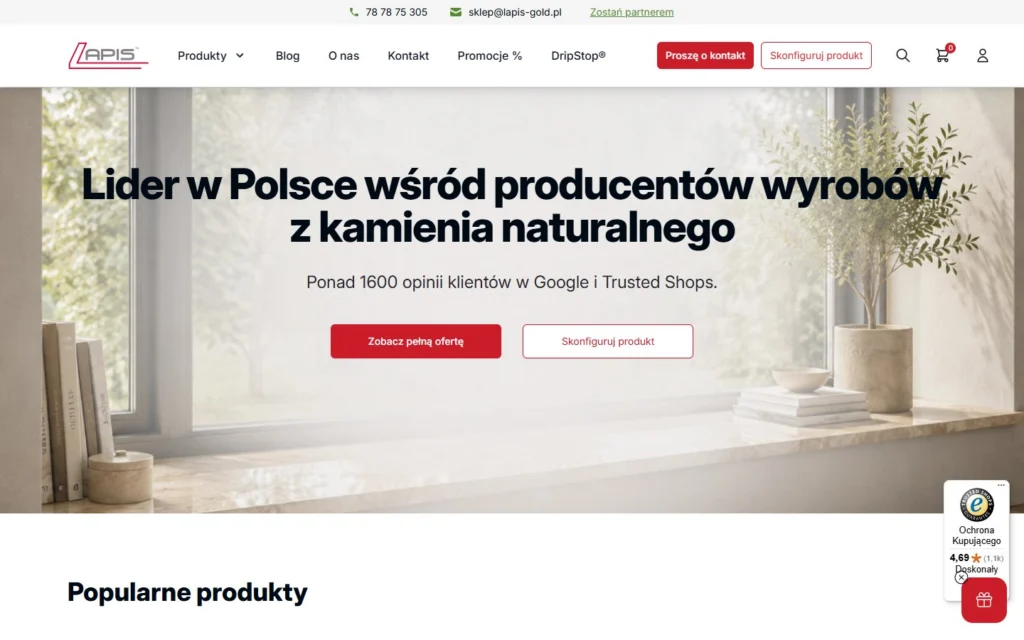
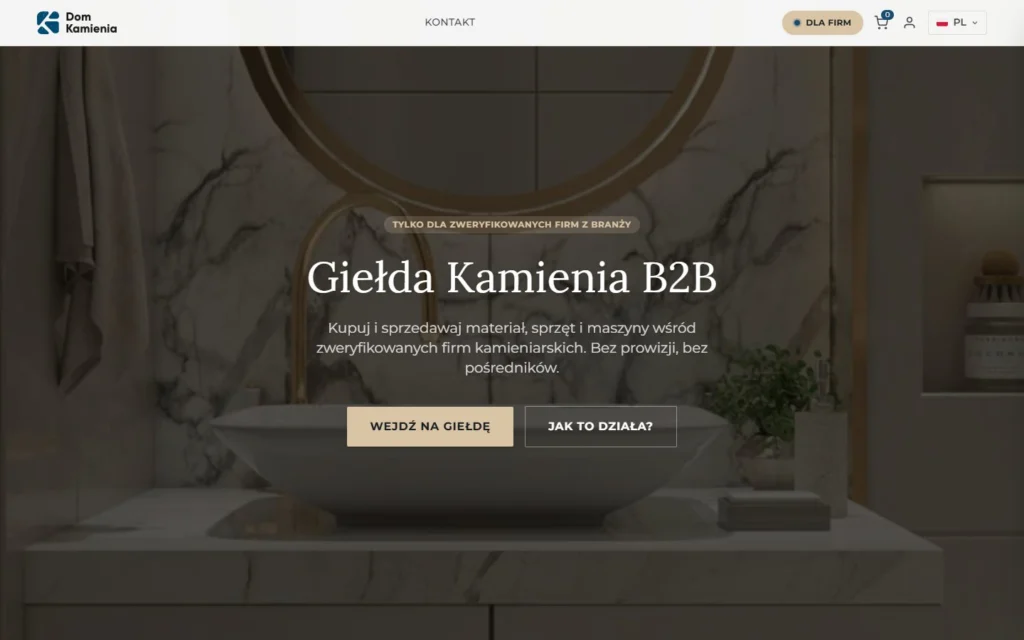
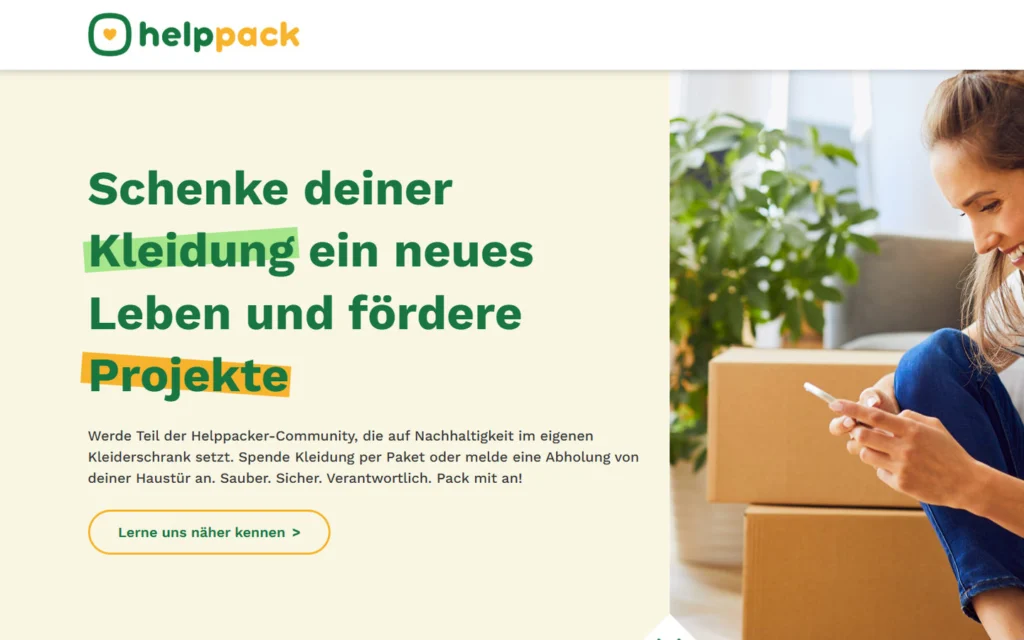
That is how we built, among others, a made-to-measure stone configurator for three markets, a closed B2B marketplace for the stone industry and an integration that gives clothing donors free DHL labels. We also build smaller things: modules for the store you already have, automations and tools that save hours of manual work.
- Product configurators and calculators for made-to-measure products, with live pricing and a specification for production
- B2B marketplaces and classifieds portals with company accounts, verification, moderation and paid highlights
- Internal apps and panels for sales, order handling or the warehouse that you can’t buy off the shelf
- AI-powered apps, for example for generating product photos for the store and campaigns
- Preparing and cleaning data for importing orders and products from files and other systems
- Modules and plugins for WordPress, WooCommerce and PrestaShop: features that ready-made add-ons don’t have
- API integrations and automation: couriers, payments, ERP, accounting systems, reports
- Web applications in React/Node.js and PHP: we pick the stack for the problem, not for the hype
From problem to working code.
-
01
Defining the problem
We talk about the process, not the technology. First we understand what needs to change.
-
02
Prototype and architecture
The skeleton of how it works and the technical decisions, before we write production code.
-
03
Iterative build
A weekly demo, so you see the progress, not only the final result.
-
04
Deployment and growth
We launch the solution, document it and stay on for further development.
Custom Web Development:
what would it cost in your case?
Three form steps, no commitment. We reply within 24 business hours, then a 30-minute call and a proposal with the scope.
Platforms and apps.
When a company’s process doesn’t fit any off-the-shelf system, we build it from the ground up, for the people who will use it.
-
Configurators and calculators
Made-to-measure products, bundles and service quotes: the customer picks the parameters, sees the price right away, and production gets a complete specification, such as a PDF sheet.
-
B2B marketplaces and classifieds portals
Company accounts with verification, moderated listings, messaging between users, paid highlights and packages. Content visible in Google, sensitive data only for authorized users.
-
Internal apps and panels
Tools for sales, order handling or the warehouse, available in the browser, with roles and permissions, instead of spreadsheets sent by email.
-
AI tools
Apps that use AI to generate product photos, such as material and color variants or room settings, without a separate photo shoot for every product.
Not only apps.
Custom development also means modules, plugins and custom features for the website or store you already have.
-
Modules and plugins
Tailor-made features for WordPress, WooCommerce and PrestaShop: product configurators, unusual filters, custom fields and admin views.
-
Integrations and automation
Connections to courier, payment, ERP and accounting APIs, data sync, automated reports and PDF or XML documents.
-
Data preparation for imports
We clean, map and check files from customers and suppliers or exports from other systems before they reach the store or the ERP, for example when importing orders.
-
Developing existing code
We take over code from another developer, clean it up and add new features.
From our projects.
A few solutions that run at our clients today.
-
Made-to-measure stone configurator
For LAPIS: 14 shapes, 29 finishing services, a price recalculated with every change and a PDF production sheet, in stores for three markets.
-
Closed B2B marketplace
For Dom Kamienia: listings with prices and contacts for verified workshops only, a company dashboard, tenders, grants and a configurator with offers from local workshops.
-
Parcel panel with DHL integration
For Helppack: donors submit a parcel in the panel and get a free DHL label, while the shipping cost goes to the organization’s account.
-
B2B platform integrated with the ERP
For Kalvei: stock and order sync with the ERP, company verification in the Czech ARES register and XML exports for partners.
Plugin or custom code.
We don’t write code where a good ready-made add-on will do. Before quoting, we tell you plainly which route makes sense.
-
Ready-made add-on
When it does what you need, is actively developed and well reviewed. Then we recommend it and set it up.
-
Custom module
When ready-made add-ons only do part of the job, need workarounds, or you have to combine several of them to get one feature.
-
Separate application
When the process goes beyond the website or store: many users with different roles, your own data and integrations with several systems.
Projects related to this service.
Questions about custom development.
Briefly on cost, technology and working together.
Have another question? Write to us